
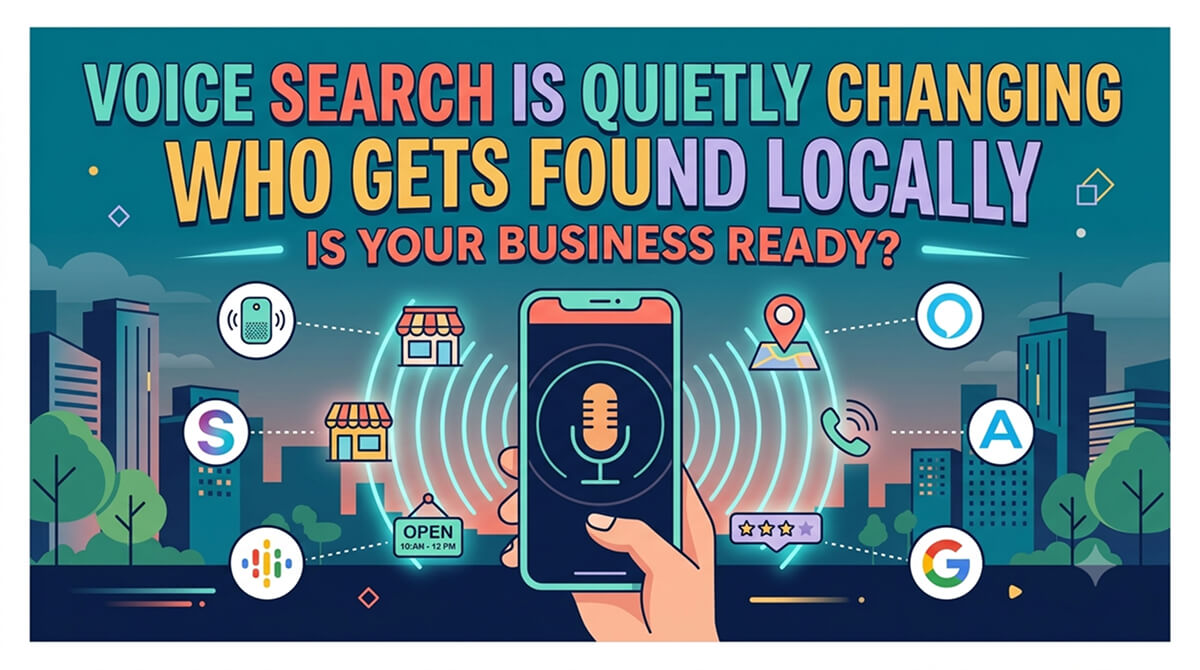
“Hey Siri, find a tire shop near me.” It sounds casual, almost throwaway. But that’s a real buying signal from a real person who needs a real business right now. Voice search has quietly become one of the most direct paths to local business discovery, and the majority of small businesses are not prepared for how it works.
Why Voice Search Works Differently Than Typing
When someone types a search, they use shorthand: “tire shop Austin TX.” When someone speaks a search, they use natural language: “Where’s a good tire shop close to where I am right now?” These queries look different, behave differently, and surface different results.
Voice search relies heavily on local business data that’s been verified and structured across trusted sources. Voice assistants don’t browse ten blue links they return one answer or a very short list. To make that short list, your business information needs to be accurate, consistent, and accessible across the platforms these assistants draw from.
The Data Sources Voice Assistants Actually Use
Siri pulls from Apple Maps. Google Assistant pulls from Google’s local index. Bing’s Cortana draws from Bing Places and third-party data. Amazon Alexa has historically pulled from Yelp and other directory data. The pattern is consistent: voice assistants need structured local data to return useful, confident answers.
Being listed on platforms that feed this ecosystem isn’t optional for businesses that want voice search visibility. Your Google Business Profile, Apple Maps listing, and presence on established local directories all contribute to the data pool that voice assistants draw from when someone asks for a recommendation.
Platforms like bizbuzzzone.com contribute to that structured local data ecosystem meaning a listing there supports your discoverability not just for traditional search but across the broader range of tools that customers use to find local businesses.
What Specific Information Voice Search Users Need
Voice queries are often question-based: “Is [business name] open on Sundays?” or “What’s the best [service type] near [area]?” Your listings need to answer these directly. Are your hours updated for every holiday? Is your service area clearly stated? Is your location data accurate down to the correct city?
These details seem minor until a voice assistant returns an incorrect answer about your hours and a customer shows up when you’re closed. Getting the details right in your listings is what makes voice search work for you instead of against you.
Frequently Asked Questions
Does being in local directories actually affect voice search results?
Yes. Voice assistants pull from structured local data across multiple sources. Consistent, complete listings in reputable directories contribute to the data accuracy these systems need to confidently surface your business in voice search results.
What's the most important thing I can do to improve voice search visibility?
Ensure your business information is consistent across Google Business Profile, Apple Maps, Bing Places, and your major directory listings. Hours, address, phone number, and service categories should all match precisely voice assistants fail customers when this data conflicts.
Are voice searches mostly from mobile phones?
Mostly, yes but smart speakers are also a significant source, particularly for home-based queries like finding a local restaurant or service provider. Either way, the data these devices rely on comes from the same places: structured local business listings.
Do I need to change my website specifically for voice search?
Not dramatically. Writing naturally worded answers to common questions a FAQ format works well helps your website appear in voice search results for informational queries. For local discovery specifically, the listings and citation side matters most.
How quickly do voice assistants update when I change my business information?
It depends on the platform. Correcting your information on primary sources like Google and Apple Maps tends to update those voice assistants relatively quickly. Directory corrections may take a few weeks to propagate depending on how frequently each platform refreshes its data.